
EU Expands Russia Shadow Fleet Sanctions Amid Nuclear Threat
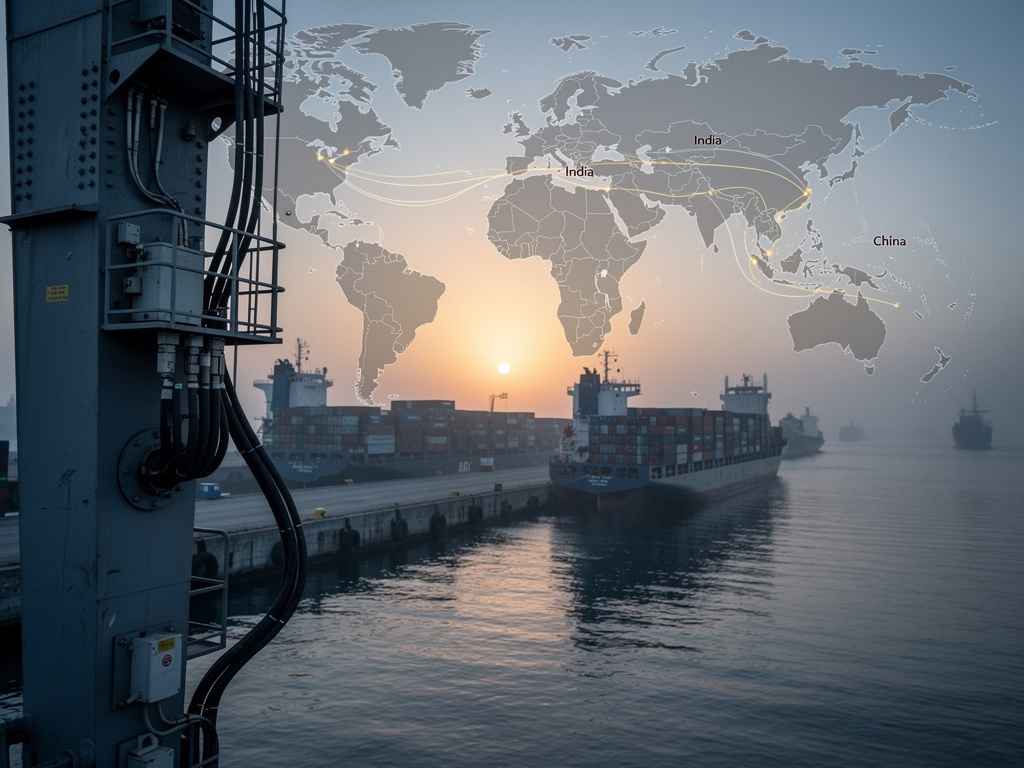
Amid the Russia Ukraine war, the European Union added 41 ships to its designation list, bringing the total of sanctioned vessels to nearly 600 as part of the 19th sanctions package against Moscow. EU officials say the shadow fleet has adapted to most prior measures, allowing continued oil exports to India and China at discounts while enforcement and tracking remain ongoing challenges for the bloc. The move underscores how sanctions are evolving in practice, signaling continued pressure on Moscow even as global markets adjust to discounted oil flows and the shadow fleet operates with reduced visibility.
Background & Context
The Russia-Ukraine war has galvanized a sustained push by the European Union to curb Moscow's economic and military options, with sanctions expanding across multiple packages since the 2014–2015 period, reflecting a broader strategy to deter aggression, protect European energy security, and press Moscow to recalibrate its regional posture. These measures target finance, energy, and transport, aiming to squeeze revenue streams, disrupt supply chains, and constrain Moscow's operational flexibility on the world stage, while signaling Western resolve and a willingness to adapt as markets and policymakers respond to exemptions and enforcement challenges, and heighten compliance risk for traders. A notable feature of enforcement is the so-called shadow fleet—vessels used to move sanctioned oil and other commodities, enabling some trade to continue despite official restrictions; in response, Moscow is reported to adapt its logistics and maintain oil sales to major buyers like India and China at price discounts, preserving revenue streams while signaling resilience amid Western pressure. EU authorities add vessels to designation lists and merchants recalibrate routes, illustrating the persistent cat-and-mouse dynamics in maritime trade and highlighting how energy security and geopolitical rivalry intersect with broader questions such as what is Russia's nuclear doctrine and how tensions with NATO are evolving.
Key Developments & Timeline
-
2014-2015: The European Union launches broad sanctions against Russia, targeting finance, energy, and trade as a decisive response to mounting tensions in the Russia Ukraine war. The measures aim to disrupt access to European markets for key financial institutions, curb energy revenues, and constrain trade flows, signaling a robust use of economic tools to deter aggression. This initial framework sets the stage for a sustained sanctions regime, requiring EU member states to coordinate enforcement and prepare for compliance challenges across diversified supply chains and global shipping lanes. Implementation varied by member state, with some using enhanced screening and reporting, while others adapted by diversifying supply chain routes. It created a baseline for ongoing cooperation with allied partners and international institutions to monitor and adapt to enforcement challenges.
-
2015-2024: Over nearly a decade, the EU repeatedly expands and adjusts its sanctions through multiple packages in response to evolving developments. Policymakers tighten restrictions while balancing European stability, creating a layered approach that broadens finance controls, export rules, and sector-specific measures. By 2024, the EU had implemented 19 sanctions packages, reflecting steady political will. Russia is reported to adapt to many measures, prompting the EU to strengthen transparency, enhance monitoring of the shadow fleet, and reinforce enforcement across financial networks and international routes. EU agencies and national authorities increased data-sharing and risk-based inspections to close loopholes, while the private sector faced new compliance obligations, including due diligence and transaction monitoring.
-
December 18, 2025: In the latest package, the EU designates 41 additional vessels, bringing the total to nearly 600 in the shadow fleet. This milestone demonstrates continued sanctions enforcement and the EU’s resolve to curb illicit maritime activity tied to Russia's export routes. The designation expands obligations for port controls, shipping companies, and customs authorities across Europe and routes to India and China. It also underscores ongoing challenges in tracing the shadow fleet and ensuring robust monitoring of global maritime lanes within the broader Russia Ukraine war latest update. Analysts note these measures target revenue streams and strategic assets, with ongoing debates about the availability of alternatives for shipping and energy, reinforcing the need for international cooperation.
Official Statements & Analysis
In the latest sanctions update tied to the Russia Ukraine war, officials confirm that "almost 600" vessels have been designated as the EU expands its crackdown, while observers note that "Moscow has managed to adapt to most measures," signaling a persistent capacity to operate under diverse controls even as enforcement actions tighten across shipping routes and border controls.
The EU's 19th package adds 41 more ships to the designation list, bringing the total to nearly 600, and the report that Russia "continues oil exports to India and China, albeit at discounts to global prices" highlights how discounted energy flows can blunt sanctions' intended effects, complicating global price signals, maritime logistics, and the resilience of regional supply chains.
Taken together, these statements matter because they illuminate how sanctions enforcement intersects with a shadow fleet network, creating ongoing economic sanctions risk and maritime shipping risk for European and global markets, with volatility in energy prices and transport costs that stakeholders must monitor as sanctions evolve.
From a strategic perspective within the broader Russia-NATO and security discourse, the persistence of export channels underscores the need for nuclear threat preparedness and diversified energy strategies, even as policymakers rely on sanctions data to recalibrate oil and gas flows and to assess the potential implications for Russia's economic and geopolitical posture.
Conclusion
In the Russia Ukraine war context, the EU’s 19th sanctions package designating nearly 600 ships underscores how Moscow adapts to import controls while maintaining oil flows to India and China at discounts, reshaping global energy trade routes and future energy security. The core takeaway is that sanctions influence energy market dynamics and defense capabilities by increasing volatility in prices and transport costs, even as the shadow fleet and alternative routes sustain shipments, illustrating a long-term shift in maritime supply chains. Looking ahead, EU actions may expand to additional vessels and export framework elements, while Russia may persist in discounted sales through the shadow fleet; observers should monitor how enforcement shapes fuel availability, transport costs, and regional supply resilience. For readers tracking the broader geopolitical picture, this evolution intersects with questions like What is Russia's nuclear doctrine and how it informs deterrence, within the evolving Russia-China alliance and ongoing Russia NATO tensions, underscoring that future developments in energy security and strategic postures remain closely linked.
Tactical Gloves – Handle gear confidently in any scenario — explore gloves that work as hard as you do.
Candle Lanterns (No Power Needed) – No power? No problem — warm up your shelter and light the room with candles.
Related: Russia Launches Largest Drone Attack as Ukraine Strikes Russian Military Facility
Related: US-Iran Conflict Escalates Amid China and Russia Condemnation