
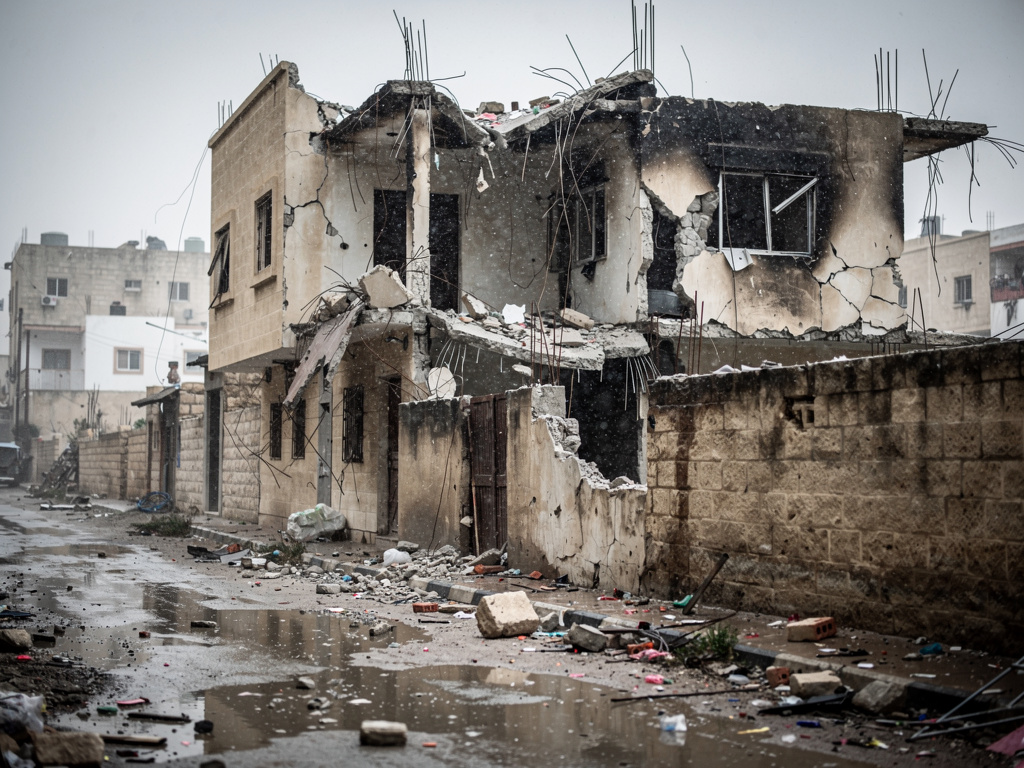
Winter storm hits Gaza City; war-damaged home collapses
A winter storm battered war-damaged buildings in Gaza, triggering the collapse of a home in Gaza City as a neighbor was killed and several others injured, underscoring the immediate human toll of harsh weather on vulnerable families. The collapse left 25 people homeless and highlights a broader pattern, with at least 17 houses across Gaza designated as unsafe or collapsed since winter began amid ongoing housing insecurity, crumbling infrastructure, and strained humanitarian facilities. Civilians continue to face risks from weather-driven structural failures, and the report provides no details on emergency response or relief operations in this incident.
Background & Context
- In Gaza City and the wider Gaza Strip, numerous buildings remain damaged from prior conflicts, creating a fragile housing landscape that is particularly vulnerable to winter conditions and aftershocks. This context helps explain why residents face ongoing displacement and uncertainty about shelter.
- Severe winter weather has intensified the risk of structural failures in weakly constructed or damaged homes, contributing to civilian displacement and heightening humanitarian concerns within a region long defined by a military conflict.
- The report notes at least 17 collapses across Gaza since the winter period began, underscoring housing insecurity amid persistent infrastructure strain and limited capacity for rapid repairs and safety inspections.
- The cumulative effect of repeated violence and damaged infrastructure has constrained access to electricity, clean water, and reliable shelter, further complicating daily life for residents in Gaza City and surrounding areas.
- Local residents and aid workers describe a precarious living environment where families rely on crowded shelters and informal accommodations as winter rains and wind test the resilience of exhausted buildings.
- The situation in Gaza is embedded within a broader regional dynamic, where cross-border tensions and political standoffs influence the pace and scale of humanitarian assistance and reconstruction efforts.
- Observers caution that durable relief requires coordinated resources, safe access for aid deliveries, and sustainable housing programs—factors that are challenged by ongoing security considerations in the Gaza Strip.
- These conditions unfold against the backdrop of ongoing regional discourse about the Israel-Gaza context and the wider Middle East security landscape, with implications for civilian protection and regional stability.
Key Developments & Timeline
-
Winter period begins in the Gaza Strip as severe weather compounds damage to war-damaged buildings. Structural stresses on existing damaged structures have coincided with reports that at least 17 houses have collapsed across Gaza since winter started, underscoring ongoing housing insecurity and infrastructure vulnerability in the Gaza Strip. The winter conditions elevate the risk of further collapses and place civilians at heightened exposure to the elements, particularly in damaged neighborhoods within Gaza City and the wider Gaza Strip. The source note emphasizes the broader context of housing instability, yet provides no detailed information about emergency response or relief operations that may accompany these events. Civilians continue to face risks from weather-driven structural failures, highlighting the urgent need for housing support and infrastructure rehabilitation as winter pressure persists in the region.
-
December 21, 2025: In Gaza City, a heavily war-damaged home collapsed during a winter storm, killing one neighbor, injuring others, and rendering 25 people homeless. The dwelling housed 25 people at the time of the collapse, illustrating how a single structural failure can dramatically disrupt large families and households. This incident underscores the ongoing threat of weather-driven structural failures in the Gaza Strip and the broader housing insecurity faced by civilians amid winter conditions. While the report does not detail emergency response or relief operations, it signals an urgent need for shelter, safe housing options, and targeted infrastructure repair as winter weather persists across Gaza City and the Gaza Strip. The event contributes to the risk assessment for residents living in war-affected areas who remain vulnerable to the impacts of severe weather.
Official Statements & Analysis
A winter storm in Gaza City has led to the collapse of a heavily war-damaged home, killing a neighbor and leaving 25 people homeless, a disaster that aligns with the broader pattern described by observers who note 'The incident is part of a pattern in which at least 17 houses have collapsed across Gaza since winter began, as weakened buildings fail under severe weather'.
Officials emphasize practical shelter strategies and risk-reduction measures: 'Priority on structurally verified shelter: prefer living in or securing access to buildings with confirmed structural integrity,' and 'Disaster-preparedness planning: have alternative shelter options and know local emergency routes and resources.'
These statements matter because they link the immediate tragedy to broader risk categories—civilian safety, housing vulnerability, and weather-related hazards—while underscoring the need for 'Water and food continuity: maintain supplies for short-term displacement and sheltering in place' and for stronger community networks to coordinate shelter, distribute aid, and identify safe routes during crisis conditions.
Placed within the ongoing Gaza-Israel dynamic and coverage in 'gaza news,' the analysis highlights that disaster-preparedness must be integrated with humanitarian relief and resilience planning, and it raises questions about how quickly safer, structurally sound housing can be made available to civilians amid the 'israel gaza war' context.
Conclusion
A winter storm in Gaza has caused the collapse of a heavily war-damaged home in Gaza City, as reported in Gaza news, resulting in a neighbor's death, injuries to several residents, and leaving 25 people homeless, a stark reminder of the fragile housing stock in conflict-affected areas; this incident forms part of a pattern in which at least 17 houses have collapsed across Gaza since winter began. The analysis highlights practical lessons for survivalists and communities: prioritize structurally verified shelter, secure alternate housing options, enhance disaster-preparedness planning with knowledge of local emergency routes and resources, and maintain safe heating, water, and food supplies while coordinating with neighbors and local aid groups. Looking ahead, the outlook emphasizes ongoing risk of further structural failures if winter storms persist and building integrity remains compromised, with humanitarian needs likely to persist without rapid stabilization or rebuilding, while reconstruction efforts and international support could influence future operations. In the near term, sustained attention to shelter safety, community networks, and proactive response will be essential to mitigate risk and support affected families, with continued coverage in Gaza news helping inform aid delivery and housing stabilization initiatives.
Compact Emergency Tents – Portable shelter for rapid deployment in harsh weather.
Military Compass – Navigate without GPS — explore reliable compasses made for survival.
Related: Denmark Bans Civilian Drones Amid Rising Russian Hybrid Warfare Threats
Related: Ceasefire Violations Escalate Humanitarian Crisis in Gaza