
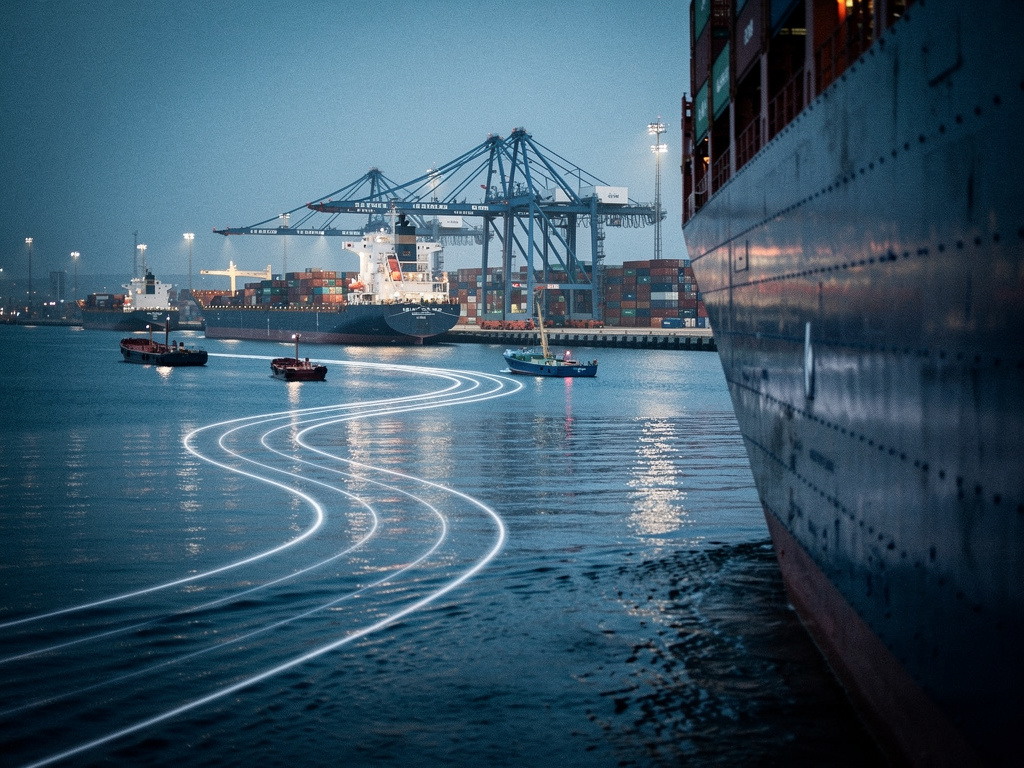
EU sanctions 41 ships amid Russia shadow fleet nuclear threat
The Russia Ukraine war backdrop framed the EU's December 18, 2025 decision, as 41 more ships linked to Moscow's shadow fleet were added to sanctions, expanding the bloc's effort to choke hidden oil shipments. With this, the total reaches nearly 600 vessels across 19 sanction packages designed to choke maritime access, insurance, and financial channels that move crude, oil products, and refined fuels through a complex international web. Despite the measures, Moscow has continued sizable oil shipments to India and China at discounted prices, underscoring ongoing enforcement challenges, the resilience of discount buyers, and Russia's demonstrated ability to reroute shipments despite heightened scrutiny.
Background & Context
The European Union has maintained a broad program of sanctions against Russia aimed at reducing its economic capacity to wage war in the Russia Ukraine war context, reflecting the Western response to Moscow's aggression. Since the initial packages, several hundred ships have been designated or targeted to constrain the import and transport of Russian oil, underscoring the scale of the leverage used to curb revenue from energy exports. The term shadow fleet describes vessels moving oil and oil products under flags of convenience or through ownership and registry structures that obscure ultimate control, a complication for enforcement and traceability across multiple jurisdictions. Despite these measures, Russia has reportedly continued selling millions of barrels of oil to major buyers, notably India and China, frequently at discounts to prevailing world market prices, which sustains income streams despite sanctions. Moscow has also demonstrated adaptability by rerouting cargoes, employing third-country registries, and exploiting gaps in enforcement across different jurisdictions, challenging the precision of the sanctions regime. EU sanctions have been implemented across 19 packages; the report does not indicate successful diplomatic settlements linked to these measures, highlighting the enduring geopolitical strain as the Russia geopolitical conflict persists and European and allied strategies adjust to evolving patterns of energy trade and shipping networks. The ongoing dynamic is central to debates on Russia NATO tensions, energy security, and the broader global response to the war, including how buyers like India and China recalibrate their energy portfolios in response to sanctions and market incentives.
Key Developments & Timeline
-
Over multiple years leading up to 2025, in the context of the Russia Ukraine war, a broad sanctions regime targeted Russia's economy. The international community implemented 19 sanction packages designed to disrupt maritime access, insurance, and financial channels used to move crude and oil products. This escalating series of measures reflects a sustained effort to constrain Russia’s export capabilities and economic footprint, influencing global energy markets and the behavior of regional buyers. The timeline demonstrates how policy actions have gradually tightened the squeeze on Russia’s external trade and mobility, reinforcing broader strategic objectives across EU members and partner economies.
-
On December 18, 2025, the European Union designated 41 additional ships linked to Russia's shadow fleet, bringing the total sanctioned vessels to about 600. This milestone highlights the continued emphasis on maritime access and the shipping ecosystem surrounding Russia, including insurance arrangements and financial flows linked to crude and oil products. Building on the earlier 19 sanction packages, authorities seek to tighten enforcement and close loopholes, while markets monitor how port controls and vessel rerouting affect supply chains and price dynamics in European and global contexts.
-
Ongoing: Russia continues shipping oil to India and China at discounts, despite sanctions. This persistent pattern shows how Moscow adapts to sanctions by maintaining substantial oil exports to major buyers in Asia, even as maritime and financial restrictions complicate shipments. The continued flow underscores challenges in enforcement and the resilience of Russia’s oil trade network within the broader Russia Ukraine war landscape, with global oil markets absorbing discounted crude and products through evolving routes and intermediaries.
Official Statements & Analysis
The European Union designated 41 additional ships tied to Russia's shadow fleet on December 18, 2025, bringing the total sanctioned vessels to about 600 after 19 packages and signaling a sustained bid to choke Moscow's oil revenue, even as Russia continues to export discounted crude to India and China, complicating enforcement across global shipping lanes in the context of the Russia Ukraine war, and signaling a persistent effort to map and constrain illicit flows despite rerouting and ownership obfuscation. Officials indicate the measures target maritime access, insurance, and financial channels used to move crude and refined products, while the opacity of ownership and the practice of rerouting shipments underscore persistent enforcement challenges; as a result, energy price volatility and potential disruptions in sea-lanes could ripple into higher fuel costs for equipment and transport in austere or remote settings, potentially constraining field operations and humanitarian logistics.
From a geopolitical standpoint, the sanction regime affects energy security and global markets, prompting allies to reassess risk, inventory strategies, and alternative routes in response to sanctions evasion and changing flows, all within the broader frame of the Russia Ukraine war, and shaping how governments coordinate sanctions enforcement, trace shipments, and finance compliance efforts across multiple jurisdictions. These developments have implications for national security planning and long-term strategy, including discussions of nuclear deterrence and nuclear threat preparedness, as price spikes, supply disruptions, and policy shifts force decisions on emergency reserves, diversified transport options, and the resilience of critical infrastructure, while also influencing broader debates on arms control, nuclear policy, and NATO-Russia dynamics.
Conclusion
In the context of the ongoing Russia Ukraine war, sanctions targeting Russia's shadow fleet illustrate how intensified financial pressure can gradually constrain export flows even as the Kremlin seeks alternative markets and short-term price relief for buyers abroad. The key takeaway is that enforcement and international coordination matter as much as the sanctions themselves, shaping energy pricing, supply resilience, and defense capabilities for affected economies, while also influencing domestic energy policy and strategic stock decisions. As supply chains adjust, future operations and policy responses will likely hinge on how buyers, insurers, and shipping networks cooperate to close evasion gaps and how Moscow adapts its routing, increasing scrutiny of maritime logistics, insurance terms, and global oil prices amid a shifting geopolitical landscape. Looking ahead, continued sanctions enforcement, shifts in buyer behavior, and the resilience of alternative energy sources will determine whether volatility in energy markets persists, how fiscal pressures affect government spending, and whether new regimes emerge in the global oil trade, with implications for defense postures and international diplomacy.
Sewing Kits – Fix gear, clothing, or shelters in the field — survival sewing kits are lightweight and vital.
Cooking & Mess Kits – Eat well anywhere — explore compact mess kits designed for mobile prepping.
Related: Ukraine’s Drone Attacks Force Moscow Airport Closures Ahead of Victory Day
Related: Yuri Grigorovich’s Legacy and Nepal’s First Monkey Census Highlight Global Issues