
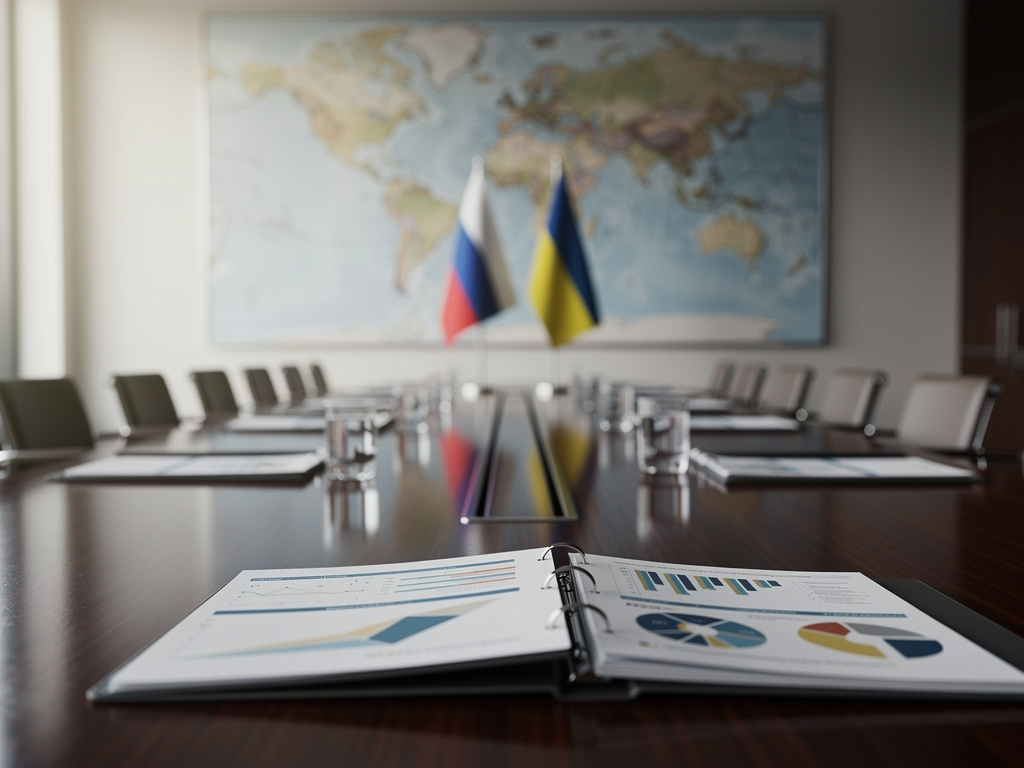
Russia Ukraine War: Miami Talks Seek 20-Point Peace Plan
A fresh briefing on December 22, 2025 details ongoing fighting across Kharkiv, Donetsk, Zaporizhia and Sumy in the Russia-Ukraine war, with civilian casualties and widespread shelling and drone activity over the past week. In parallel, diplomacy in Miami led by US envoys Witkoff and Kushner has sought to advance a 20-point peace plan, with Ukrainian and European officials and the Russian side weighing trilateral formats and possible prisoner exchanges. The briefing notes Kyiv’s insistence on leverage, Moscow’s signals of continued military pressure, and earlier Istanbul talks that produced prisoner swaps but limited strategic progress, along with related incidents such as a Ukrainian drone attack on Krasnodar and Sweden inspecting a sanctioned freighter.
Background & Context
The Russia Ukraine war, rooted in the 2014 annexation of Crimea and the broader struggle over Ukraine's future orientation, escalated into a full-scale invasion in 2022 and has since defined a protracted security contest that reshapes European defense policy, energy security, and international diplomacy, drawing in partners and rival powers with divergent visions for sovereignty, deterrence, and regional order. By December 22, 2025, U.S.-led efforts to broker a peace framework remain a central thread of diplomacy even as Moscow maintains military operations and Kyiv sustains counterstrikes, reflecting a stalemate that complicates sanctions, arms control talks, and humanitarian relief while elevating concerns about potential escalation and the role of alliances like NATO. Earlier negotiations, notably the July 2025 Istanbul talks, produced prisoner exchanges but limited strategic breakthroughs, and the current Miami discussions—framed around a proposed 20-point peace plan and trilateral formats—involve a broad coalition of Western states, NATO partners, and regional actors seeking a path toward de-escalation without sacrificing core security principles. The battlefield picture—characterized by casualties, drone warfare, and shifting front lines—coupled with robust foreign policy signaling, has sharpened debates about Russia's nuclear weapons and nuclear deterrence doctrine, Russia NATO tensions, and the risks of miscalculation as leaders such as Vladimir Putin and Volodymyr Zelenskyy confront sharply divergent strategic imperatives.
Key Developments & Timeline
In the context of the Russia Ukraine war, this timeline compiles key developments based on the latest event_timeline insights, highlighting casualties, shelling, drone activity, detentions, and diplomatic exchanges that shape the current security picture along the broader Russia geopolitical conflict. The emphasis includes named locations such as Izyum, Krasnodar, and Hrabovske to illustrate regional impacts on the ground.
- Past week: Casualties in Kharkiv (Izyum village) include a 49-year-old man and a 42-year-old woman; additional casualties reported in the Donetsk and Zaporizhia regions, underscoring ongoing frontline pressure in the Russia Ukraine war.
- Past week: Heavy shelling of the Zaporizhia region with nearly 5,000 shellings recorded; 60 wounded and hundreds of buildings damaged, illustrating intensified bombardment in occupied and contested areas.
- Past week: Drone and munitions activity: about 1,300 drones, 1,200 guided bombs, and nine missiles directed toward Ukraine, signaling a substantial aerial campaign affecting multiple fronts.
- Unspecified date: Detentions/deportations: around 50 residents of Hrabovske (Sumy region) allegedly detained and deported to Russia, reflecting coercive displacement linked to the conflict.
- Recent days: Russian retaliation and air activity: Ukrainian drone attack damaged two vessels and piers in Krasnodar; Russia reported shooting down 29 Ukrainian drones in 24 hours; a broader tally indicates 252 drones downed in Donbas using the Donbas Dome EW system.
- Recent diplomacy in Miami: Diplomatic exchanges in Miami: Witkoff and Kushner report productive meetings with Ukrainian/European and Russian envoys; Putin's aides critique Western proposals; Macron open to talks with Moscow.
- Earlier diplomacy: Prior diplomacy: July Istanbul talks produced prisoner swaps but limited broader progress; discussions of trilateral formats and leaders’ meeting potential.
- International developments: India reports recruitment of 202 Indian nationals into Russian forces; Sweden inspects a sanctioned Russian freighter Adler, indicating ongoing international engagement and scrutiny surrounding the conflict.
Official Statements & Analysis
Note: The dataset's IMPORTANT_QUOTES field appears as [object Object], so direct quotes from officials are not available in this section, which means we rely on paraphrased summaries of statements and reported positions instead. The briefing describes ongoing fighting across Kharkiv, Donetsk, Zaporizhia and Sumy with civilian casualties, widespread shelling, and drone activity, while a Miami-driven diplomacy track involving U.S. envoys and Ukrainian/European officials seeks to advance a 20-point peace plan within the broader Russia Ukraine war, building on Istanbul's July talks that yielded prisoner swaps but limited strategic progress and incorporating discussions of trilateral formats and prisoner exchanges; the context is further shaped by cross-border incidents such as a Ukrainian drone attack on a Krasnodar facility and Sweden's inspections of a sanctioned Russian freighter Adler.
The statements matter because they reveal a delicate balance: Kyiv wants greater leverage to pressure Moscow through concessions on supply lines and prisoner exchanges, while Moscow signals continuity of military pressure, and Western backers aim to calibrate concessions without triggering escalation; this dynamic also intersects with sanctions regimes, border controls, and the prospect of trilateral formats, complicating humanitarian corridors, civilian protections, and future negotiations. Analysts should watch for shifts in format or concessions that could alter military strategy and deterrence dynamics, as ongoing Russian airstrikes, concerns about port infrastructure in Zaporizhia and Odesa, detentions or deportations in Sumy and other contested areas, and broader geopolitical currents—such as NATO-Russia tensions and energy security considerations—shape civilian risk, alliance cohesion, and the trajectory of diplomacy.
Conclusion
In the ongoing Russia Ukraine war, diplomacy in Miami is designed to advance a 20-point peace plan even as fighting rages across Kharkiv, Donetsk, Zaporizhia, and Sumy, underscoring the persistence of civilian harm and strategic friction. Kyiv seeks credible leverage and security guarantees, while Moscow signals readiness to sustain military pressure, illustrating the chasm between negotiation rhetoric and battlefield realities. Looking ahead, progress may hinge on prisoner exchanges, expanded trilateral formats, and robust verification, with the possibility of a leaders’ meeting if negotiators converge on essential guarantees. Yet divergent territorial demands and security assurances keep the outlook uncertain, leaving prospects for defense capabilities and deterrence recalibration central to any settlement, including civilian protection, energy resilience, and reliable humanitarian access. As the conflict evolves, the international community will likely weigh continued diplomatic pressure against the need to avoid escalation, shaping future operations and crisis response across affected regions in the near term and beyond.
Tent Stakes & Guy Lines – Keep your shelters secure — even in wind or snow — with strong anchors.
Barbed Wire Rolls – Secure your perimeter — shop heavy-duty barbed wire for home or bug-out land.
Related: Osama Krayem on Trial for War Crimes in Sweden
Related: Ukraine Escalates Military Operations in Bakhmut Amid Tensions