
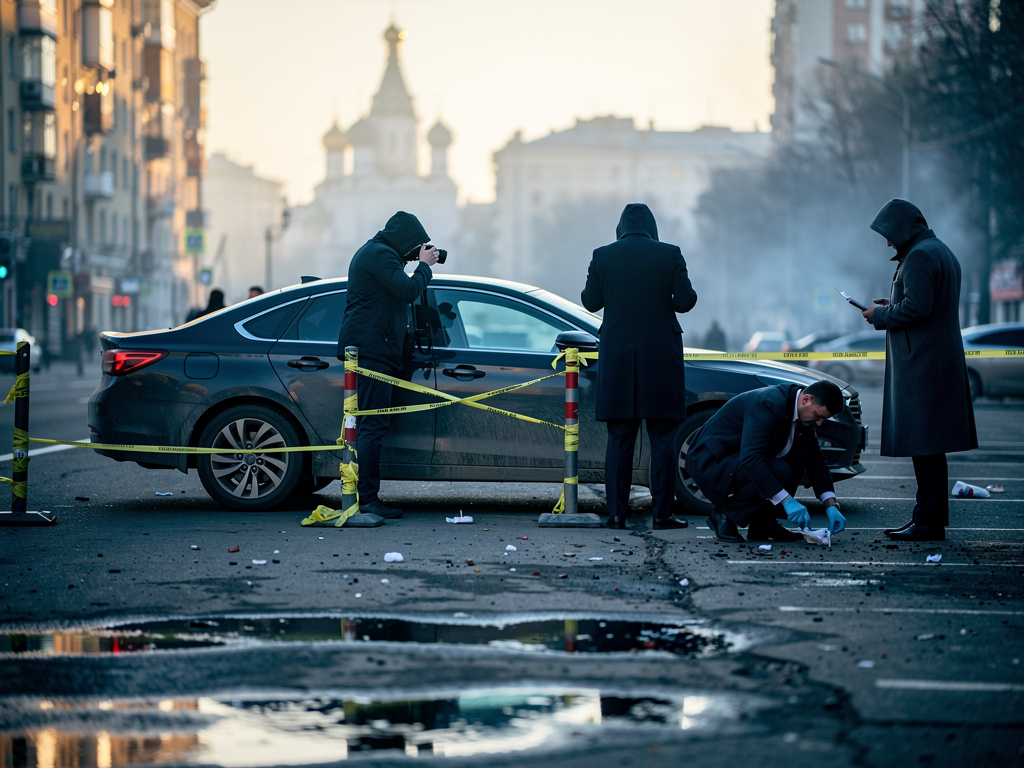
Car Bomb in Moscow Kills Russian General, Heightening Russia-Ukraine War
Russia Ukraine war developments intensified after a car bomb in southern Moscow killed Lieutenant General Fanil Sarvarov, the head of the Russian general staff’s training department, with investigators opening a murder case and pursuing several lines of inquiry, including a potential Ukrainian intelligence operation. Ukraine previously claimed responsibility for a similar December 2024 attack that killed Lieutenant General Igor Kirillov, while authorities have not yet publicly attributed this latest blast on Yaseneva Street. The incident underscores ongoing security strains tied to the broader conflict, as Moscow pursues aggressive countermeasures while Kyiv and its partners weigh diplomatic and strategic implications for regional security and allied policy.
Background & Context
In the ongoing Russia-Ukraine war, high-profile political violence and targeted assaults have increasingly shaped the security calculus facing Kyiv, Moscow, and international partners. In December 2024, Ukraine claimed responsibility for the assassination of Lieutenant General Igor Kirillov, a senior figure tied to Russia's military intelligence, carried out with a bomb hidden on an electric scooter; Russian investigators have not publicly attributed the attack and are pursuing a multi-line inquiry that includes potential involvement by Ukrainian intelligence services. The case underscores how covert operations and counterintelligence activities intersect with conventional fighting, complicating both military planning and diplomatic messaging as the conflict persists. The Investigative Committee and other authorities have not released definitive conclusions, but the inquiry highlights lingering concerns about retaliation, misinformation, and the reliability of intelligence amid ongoing hostilities. The broader security environment remains volatile, with continued military actions in Ukraine and heightened security concerns inside Russia, influencing domestic policy, border controls, and regional security dynamics. Analysts and officials weigh deterrence and escalation risks as discussions of Russia's nuclear deterrence posture and strategic messaging shape responses from Moscow, Kyiv, and allied capitals. The incident also has implications for private sector risk assessments, energy security perceptions, and international financial support as the war continues to unfold. Public reaction data is limited in this period, but regional observers track how such attacks influence public opinion and the conduct of both countries' security services.
Key Developments & Timeline
-
December 2024: In the ongoing Russia Ukraine war, Ukraine claimed responsibility for a similar attack that killed Lieutenant General Igor Kirillov (electric scooter attack). This early incident is cited in analyses of the conflict as an example of high-profile attacks attributed to Ukrainian actors, underscoring the volatile security environment and shaping diplomatic and military considerations within the broader Russia geopolitical conflict. The claim contributes to the narrative of ongoing Ukrainian-hosted actions influencing regional dynamics and security calculations.
-
December 22, 2025: Car bomb in southern Moscow kills Lieutenant General Fanil Sarvarov, head of the Russian general staff’s training department. The Russian Investigative Committee opened a murder inquiry and is pursuing multiple lines of inquiry, including the possibility of Ukrainian intelligence involvement; investigators are awaiting additional evidence before attributing responsibility. The explosion occurred in a car park on Yaseneva Street around 7am Moscow time; the driver was inside the vehicle. This incident intensifies security concerns in the Moscow region and feeds into ongoing discussions about Russian security operations and potential Ukrainian-hosted attacks within the broader Russia Ukraine war context.
-
Ongoing investigations: Authorities continue to pursue multiple lines of inquiry and await further evidence before making an official attribution. While no formal claim has been confirmed, the case reflects a longstanding pattern of high-profile attacks connected to or claimed by Ukrainian actors in the Russia Ukraine war context. The investigation carries diplomatic implications and underscores heightened security concerns in the Moscow region as investigators assess potential links to Ukrainian intelligence and broader regional security dynamics.
Official Statements & Analysis
In the Russia Ukraine war context, a car bomb in southern Moscow killed Lieutenant General Fanil Sarvarov, who headed the training department of Russia’s general staff. Investigators have opened a murder investigation and say they are pursuing multiple lines of inquiry, including the possibility that Ukrainian intelligence services orchestrated the attack: "Investigators are pursuing numerous lines of inquiry regarding the murder. One of these is that the crime was orchestrated by Ukrainian intelligence services." Ukraine had previously claimed responsibility for a similar attack in December 2024: "Ukraine claimed responsibility for a similar attack in December 2024." The blast occurred around 7:00 am on Yaseneva Street, with the driver inside the vehicle, and authorities have not yet publicly attributed responsibility. The incident underscores how security disruptions and foreign activity remain a volatile element of the broader conflict, complicating risk assessments for residents and investigators alike.
From a risk perspective, this event signals heightened vigilance for high-value targets and infrastructure, with travelers and residents in Moscow facing increased security around potential attack sites and an expectation of rapid changes in advisories or counterterrorism operations. The statements also reflect ongoing political sensitivities in the Russia Ukraine war, and the possibility that Ukrainian actions abroad could influence diplomatic postures and security policy, including how international partners respond to such incidents. As part of the Russia NATO tensions landscape, authorities will likely monitor for retaliatory moves and adjust contingency plans accordingly. For now, preparedness—through clear travel routes, reliable communication, and reinforced shelter provisions—remains essential for affected populations and humanitarian actors.
Conclusion
In the Russia Ukraine war context, this week’s Moscow car bombing highlights the continuing risk of political violence and security shocks that can influence public safety and regional stability, underscoring how the conflict now touches urban security planning, emergency response, and public perception far from the front lines. Investigators have opened a murder probe into the attack on Lieutenant General Fanil Sarvarov, head of the general staff’s training department, with multiple lines of inquiry and past claims linked to Ukrainian actions, though no official attribution has been confirmed. For residents and travelers, these events mean heightened vigilance around high-value targets, tighter security around infrastructure, and a need to maintain flexible contingency plans for abrupt changes in travel routes, advisories, and communication channels. Looking forward, the findings of the investigation could influence security policies and potential retaliation dynamics in the broader conflict, while ongoing geopolitical tensions and shifts in defense postures will continue shaping risk environments and preparedness across affected regions.
First Aid Kits – Essential first aid tools for treating injuries quickly.
MREs & Survival Food – Stock your pantry with long-lasting survival food kits — see what preppers recommend.
Related: Trump Threatens Severe Tariffs as NATO Arms Deal Boosts Ukraine’s Defense
Related: Russia Ukraine War Escalates with Deadly Drone Attacks