
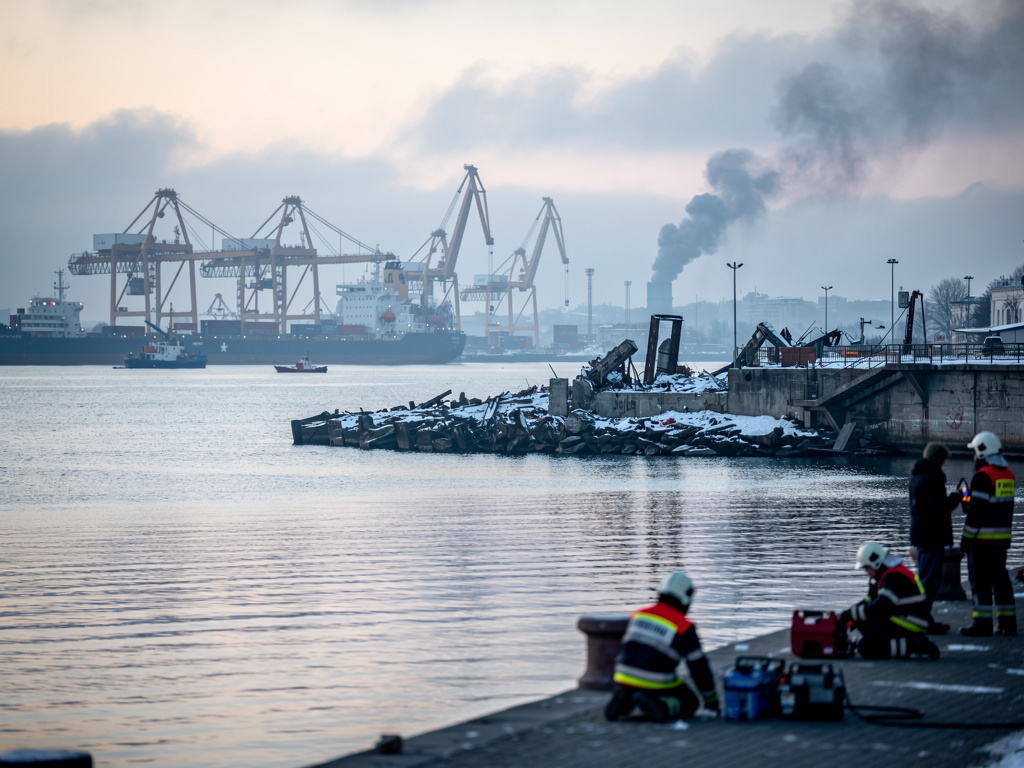
Russia Ukraine war: Odesa Attack and EU Loan
Russia Ukraine war developments intensified on 20 December 2025 as Russian missile attacks hit the port city of Odesa, killing seven and wounding 15, while missiles set trucks ablaze, igniting fires and severing power across parts of the city. In the Dnipropetrovsk region, Ukrainian officials described artillery and drone attacks that damaged homes, power lines and a gas pipeline, while Kyiv said it had regained most of Kupiansk after isolating Russian forces. EU leaders agreed to provide a $105.5 billion, two-year, interest-free loan to Ukraine to cover defense and economic needs, financing through capital markets rather than tapping frozen Russian assets.
Background & Context
The Russia-Ukraine war began with Russia's invasion of Ukraine in 2022 and has since evolved into a protracted conflict that spans northern, eastern, and southern fronts, shaping security calculations for Kyiv, Moscow, and their allies. The ongoing clashes, large-scale military activity, and a sustained Russian military buildup have heightened concerns about regional stability and the role of nuclear deterrence in strategic calculations. By December 2025, frontline combat persisted around Odesa and Dnipro as the European Union and allied states maintained military and economic support to Ukraine while pursuing diplomatic channels to end hostilities amid continuing Russia-NATO tensions. Diplomatic efforts have continued, with ceasefire discussions described by Ukrainian negotiator Rustem Umerov and comments by U.S. officials such as Marco Rubio suggesting progress, even as Moscow and Kyiv issued conflicting statements and Moscow tied terms to territorial questions; in recent months, Moscow's leadership and Vladimir Putin signaled conditions that complicate negotiations. As security concerns expand in the Black Sea region, including Turkey's role and fears around naval activity, observers weigh questions about what is Russia's nuclear doctrine and how Russia's nuclear capabilities intersect with ongoing discussions about strategic forces, alliance deterrence, and the prospect of a negotiated settlement.
Key Developments & Timeline
- Dec 20, 2025 – In the ongoing Russia Ukraine war, a Russian attack on Odesa kills 7 people and injures 15, with missiles reportedly targeting trucks and causing fires; power outages persist in Odesa, exacerbated since December 13 as the city endures renewed Russian airstrikes on critical infrastructure.
- Dec 20, 2025 – The Dnipro region comes under artillery and drone assault, damaging homes, power lines and a gas pipeline; this episode reflects continued Russian airstrikes across northern Ukraine and underscores ongoing civilian harm and disruption to essential utilities for residents and responders alike.
- Dec 20, 2025 – Ukraine regains most of Kupiansk after isolating Russian forces, signaling a notable battlefield shift in the Russia Ukraine war as Ukrainian troops reestablish control in the northern front and reduce Russian hold on key logistics nodes that had long complicated supply lines.
- Dec 20, 2025 – The European Union approves a $105.5 billion, two-year loan to Ukraine, funded via capital markets rather than frozen Russian assets, to support defense and economic needs amid ongoing conflict and the broader Russia invasion dynamics that shape regional stability.
- Dec 20, 2025 – President Vladimir Putin accuses Zelenskyy of not agreeing to discuss territory and criticizes the use of frozen assets as robbery, signaling a continued politicized narrative within the Russia war and broader geopolitical contest, with domestic and international implications.
- Dec 20, 2025 – U.S. and Ukrainian representatives report progress toward a ceasefire, with continued joint work; Dmitriev travels to Miami for talks with U.S. figures as Berlin hosts discussions with Ukrainian and European officials, illustrating the Russia Ukraine war latest update and ongoing diplomatic channels.
- Dec 20, 2025 – Türkiye reports finding a Orlan-10 drone in Izmit and shoots down another drone over the Black Sea; Turkish authorities urge caution to avoid destabilizing security in the region while continuing to monitor cross-border activity tied to the conflict.
Official Statements & Analysis
In the latest briefing on the Russia Ukraine war, Oleh Kiper described the Odesa attack as 'massive', signaling intensified disruption to a critical port city, with fires and power outages reinforcing concerns about energy resilience and the protection of maritime infrastructure in a region already strained by intermittent outages. President Vladimir Putin stated, 'We know from statements from Zelenskyy that he’s not prepared to discuss territory issues' and condemned Western plans to use frozen assets as 'robbery', a dual message that hardens timelines for diplomacy while reframing the conflict as a contest over territory and economic leverage.
Senator Rubio cautioned, 'We’ve made progress, but we have a ways to go... only a negotiated settlement can end this war', a remark that underscores the gap between battlefield dynamics and political settlement, and it signals that external mediation will require credible concessions and guaranteed security assurances. Ukraine’s Rustem Umerov added, 'We agreed with our American partners on further steps and on continuing our joint work', illustrating sustained Western coordination on security assistance, defense procurement, and strategic planning as Kyiv seeks both immediate relief and a durable framework for peace. These statements, alongside the European Union's decision to provide a $105.5 billion, interest-free loan for two years and to fund it through capital markets rather than tapping frozen Russian assets, illuminate the multidimensional pressures—energy resilience, logistics, and regional security—that shape decisions on both the military front and the diplomatic track, and they invite close attention to questions of nuclear deterrence and what is Russia's nuclear doctrine as tensions persist.
Conclusion
In the Russia Ukraine war, the latest developments underscore how continued strikes on port cities and critical infrastructure coexist with renewed diplomatic talks, reminding readers that civilian protection and energy resilience remain central as Kyiv and Moscow weigh strategic choices. The trajectory also highlights the broader security calculus tied to Russia's deterrence posture, with discussions around Russia nuclear deterrence, strategic forces, and potential nuclear escalation shaping risk assessments even as conventional fighting persists, and influences alliance responses, defense planning, and international mediation strategies. Looking ahead, while pauses in fighting may emerge if diplomacy gains traction—echoed by energy security measures, the protection of routes like the Black Sea corridor, and ongoing financial assurances such as international loans—the threat of renewed Russian missile strikes and pipeline disruptions remains a constant concern. Ultimately, the outlook will depend on Kyiv and Moscow's willingness to compromise on territorial issues, the effectiveness of international mediation, and the ability of regional actors to coordinate future operations and safeguard vulnerable populations in Ukraine and neighboring regions.
Waterproof Dry Bags – Protect your essentials from rain and floods — pack a dry bag that’s built to last.
Knot Tying Cards – Learn and reference critical knots anytime — even without internet.
Related: Lebanon and Israel Begin Historic Talks on Security Issues
Related: Russian Fighter Jets Violate Estonian Airspace Amid Rising NATO-Ukraine Conflict