
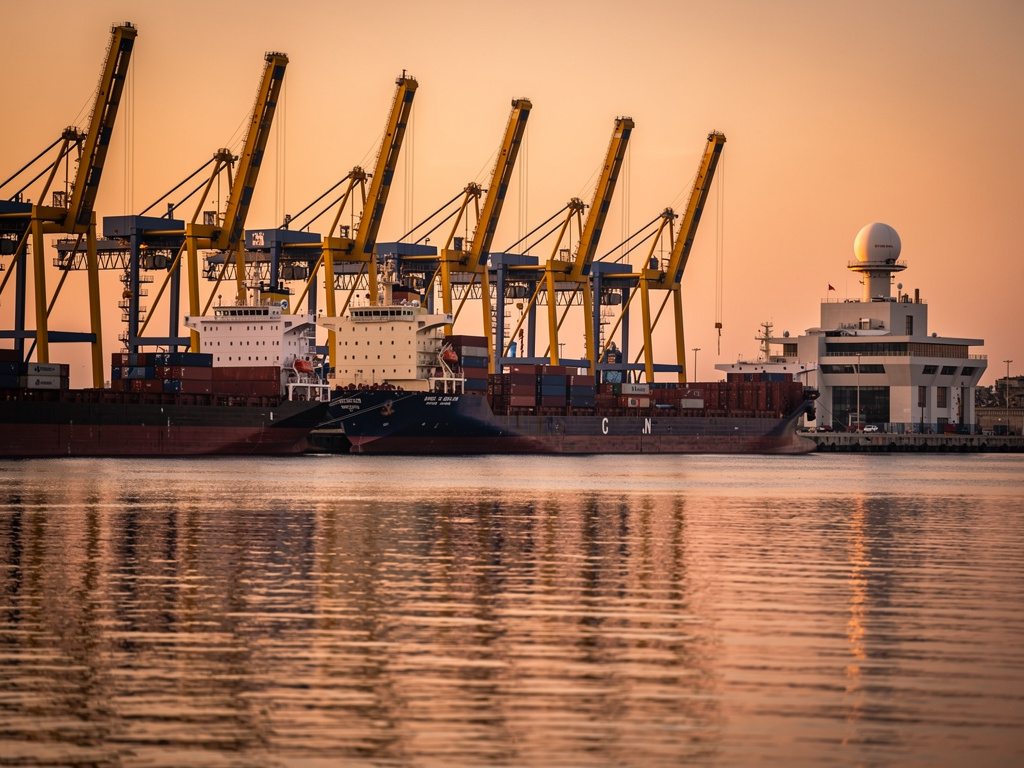
Russia-Ukraine War: Odesa Port Attacks Intensify Missile Defense Concerns
In the Russia-Ukraine war, Russian missiles struck Odesa port infrastructure on 19–20 December, killing eight and wounding 27, according to Ukraine's Emergency Service, with damage to port facilities and energy-security concerns. Separately, Ukrainian drones hit Russia’s Caspian Sea assets—the Filanovsky oil rig and a patrol ship—and a night attack targeted the Okhotnik drone, while a radar site in Krasnosilske, Crimea, was reported as hit. EU leaders approved a €90 billion joint loan to finance Ukraine’s war effort, U.S.-Russia talks were planned in Florida led by Kirill Dmitriev, and Ukraine said it struck a shadow fleet tanker in the Mediterranean—the first such neutral-water strike.
Background & Context
The Russia Ukraine war has unfolded since 2022, marked by sustained military activity, frequent Russian airstrikes on ports and energy infrastructure across Ukrainian, Russo-Kazakh, and Black Sea theaters, and ongoing Ukrainian drone operations against assets in multiple fronts, underscoring the broad geopolitical contest, shifting battlefield dynamics, and the resilience of civilian infrastructure amid hostilities. Odesa's status as a major export hub for Ukrainian grain and other commodities has made it a focal point for protecting maritime routes, while the reported attack on the Filanovsky oil rig and related targets in the Caspian region illustrates the geographic reach of Ukrainian drone capabilities and the cross-regional stakes of energy security, shipping insurance, and commodity flows that tie distant markets to the conflict. The international response blends diplomacy with material support: the European Union's €90 billion loan package signals continued backing for Kyiv, and discussions among U.S. and Russian officials—including recent talks in Florida—highlight a fragile diplomatic channel even as tensions persist and the strategic calculus around nuclear deterrence remains a constant backdrop, with ongoing questions about what is Russia's nuclear doctrine shaping security discourse and deterring escalation. Analysts caution that spillover effects could disrupt shipping lanes and energy markets, alter regional security dynamics, and affect the broader geopolitical risk environment, as actors from NATO, the European Union, and regional powers weigh sanctions, defense commitments, humanitarian considerations, and potential pathways to a negotiated settlement that could restore predictable norms in a volatile theatre.
Key Developments & Timeline
- Date: unspecified — In the ongoing Russia Ukraine war, the Odesa port strike resulted in 8 deaths and 27 injuries, with port infrastructure damaged and ballistic missiles employed. This event underscores ongoing threats to maritime facilities and the broader energy-security dimension of the conflict, highlighting concerns for global shipping lanes and the need for resilient missile defense measures.
- Date: unspecified — Casidae operations: Ukrainian drones struck the Filanovsky oil rig (operated by Lukoil) and a military patrol ship near the Caspian offshore platform; a nighttime attack also targeted the Okhotnik warship/drone. The strikes illustrate cross-regional military activity and the persistent pressure on energy assets, signaling the reach of unmanned systems in modern warfare and their potential implications for regional security and Russia nuclear deterrence considerations during the Russia geopolitical conflict.
- Date: unspecified — Crimea radar: Ukrainian forces reported a hit on a radar system in Krasnosilske, Crimea. This development reflects ongoing intelligence, surveillance, and counter-radar operations in contested territories, contributing to the broader tactical picture of the Ukraine conflict and the electromagnetic dimension of combat.
- Date: unspecified — Diplomatic/financial moves: EU leaders approved a €90 billion joint loan to finance Ukraine’s war effort without relying on Russian assets. The decision marks a significant financial/ diplomatic lever in supporting Ukraine and shaping Western financial architecture in response to the war, with potential ripple effects on European energy markets and Russia war news narratives.
- Date: unspecified — Shadow fleet: Ukrainian drones struck a Russian shadow fleet tanker in the Mediterranean, the first such strike in neutral waters. This incident demonstrates expanding operational versatility of drone campaigns and raises questions about maritime security, neutrality rules, and the broader Russia-NATO tensions dynamic in international shipping corridors.
- Date: unspecified — Diplomatic talks: U.S. and Russian officials were scheduled to meet in Florida, with Kirill Dmitriev leading the Russian delegation; potential participation by Steve Witkoff, Jared Kushner, and possibly Marco Rubio signals high-level diplomatic engagement amid sustained tensions. The talks reflect ongoing attempts to manage escalation, align on strategic priorities, and address Russia strategic forces and arms-control considerations in a volatile security environment.
- Date: unspecified — Public/political context: Taken together, these developments illustrate persistent military activity, energy-security concerns, and enduring diplomatic efforts to resolve the conflict. The sequence highlights how the Russia Ukraine war continues to shape regional stability, international markets, and the broader Russia geopolitical conflict narrative on the world stage.
Official Statements & Analysis
In the Russia Ukraine war context, Ukraine’s Emergency Service reported that 'Eight people were killed and 27 wounded in a Russian missile strike on port infrastructure in Odesa,' and Oleh Kiper, head of the Odesa region, added that 'The port was struck with ballistic missiles,' underscoring a direct blow to critical port infrastructure and the likelihood of further supply disruption while signaling intensified pressure on southern Ukraine's logistics and energy routes. The Ukrainian General Staff stated that 'Ukraine's drones on Friday hit the Filanovsky oil rig, which belongs to Russia's Lukoil, and a military patrol ship near a rig in the Caspian Sea,' and that 'The nighttime attack on Friday hit the Russian warship Okhotnik,' illustrating cross-domain strikes on maritime assets and naval targets, which analysts describe as a pattern of 'Russian missile attack' momentum with implications for regional maritime security, energy transportation, and NATO-adjacent coordination.
Separately, European leaders decided to finance Ukraine's war effort through a joint loan of €90 billion, without using Russian assets, signaling sustained international backing for Kyiv even as risk factors rise for energy supply chains and external finance, and showing how diplomatic tools are trying to offset battlefield losses while maintaining pressure on Moscow through financial channels. Taken together, these statements highlight how the conflict is shaping maritime security, energy resilience, and diplomatic risk, and they feed into broader debates on Russia's nuclear doctrine and deterrence posture as part of Russia Ukraine war dynamics and nuclear threat preparedness.
Conclusion
The Russia Ukraine war has continued to unfold with renewed hostilities around port and energy infrastructure, as illustrated by the December 2025 strikes on Odesa and ongoing cross-border drone activity, underscoring how critical supply lines and maritime logistics remain focal points of the conflict. The events also highlight the importance of robust defense capabilities and energy security for affected regions, reinforcing the need for vigilant monitoring of shipping routes, port security, and rapid response plans to sustain humanitarian and commercial flows despite evolving threats. In parallel, European leaders pledged a €90 billion joint loan to support Kyiv's defense and reconstruction, signaling how international finance is becoming a decisive tool, while the prospect of Florida talks with Kirill Dmitriev and other figures may offer a framework for ceasefire proposals, even if no binding accord is evident yet. Looking forward, scenarios range from sustained conflict with episodic drone and missile strikes to potential negotiated settlements if diplomacy gains traction, with continued attention to the risk landscape—military, maritime, energy, and sanctions dynamics—shaping future operations and regional stability.
Portable Camp Stoves – Boil, cook, and heat off-grid — shop top-rated emergency stoves today.
Gorilla Tape – Stronger than regular duct tape — Gorilla Tape holds fast in the worst conditions.
Related: Russian MiG-31 Jets Violate Estonian Airspace, Prompt NATO Article 4 Consultation
Related: Russia Launches Monthly Moscow-Pyongyang Flight Amid Growing Military Ties