
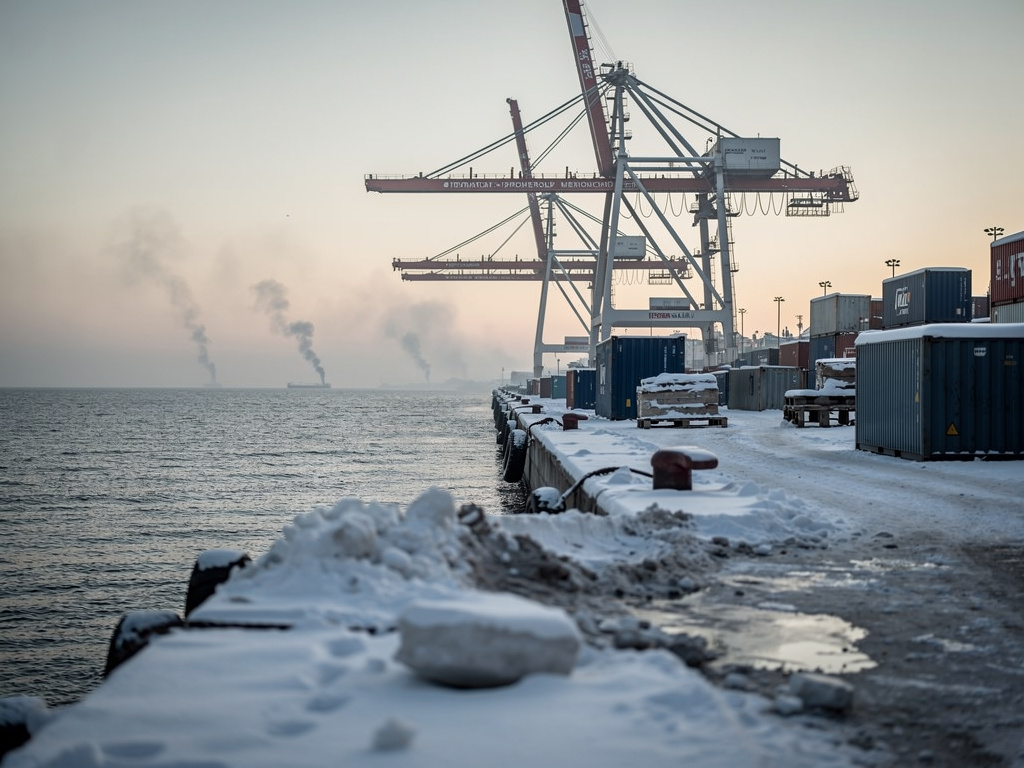
Odesa Port Hit by Russian Missile Attack
The Russia Ukraine war intensified as a ballistic missile strike on Odesa port infrastructure killed eight people and wounded 27, underscoring the toll on civilians as part of a broader Black Sea campaign and stalled peace talks in Miami. Authorities reported additional strikes on reservoirs the next day, with outages affecting about two million people in freezing winter conditions, worsening winter civilian hardship and threatening critical services. Ukraine has widened its campaign against Russian energy and military assets while Europe approved a €90 billion loan to Kyiv; Miami talks among the United States, UK, France, Germany, and Kyiv show no breakthrough as Moscow signals it will not concede territorial claims amid ongoing fighting near Donetsk, Kupiansk, and Pokrovsk.
Background & Context
- Since February 2022, the Russia Ukraine war has unfolded as a large-scale invasion that unleashed sustained air, missile, and drone campaigns across Ukrainian territory, with civilian infrastructure and critical supply lines repeatedly targeted. The conflict has reshaped regional security dynamics and global energy considerations, prompting a reevaluation of military readiness and deterrence strategies within Europe. The war’s trajectory has also influenced nearby ports and agriculture corridors, including the strategic importance of the Black Sea region.
- Odesa, a strategic Black Sea port essential to Ukraine's grain exports and regional logistics, has become a focal point of both economic vulnerability and humanitarian concern. Its location links to international markets and humanitarian corridors; disruptions affect supply chains and food security across multiple countries. The ongoing Russian airstrikes and missile campaigns have underscored the vulnerability of civilian infrastructure and the resilience of port operations in wartime conditions.
- By December 2025, diplomatic efforts led by the United States and European partners sought to secure a framework for a possible settlement, reflecting a shift toward negotiated pathways even as frontline fighting persisted and energy infrastructure remained a central focal point for military planning and humanitarian aid. The discussions emphasized security guarantees, risk mitigation, and the protection of civilian life, while acknowledging persistent disagreements over borders, governance, and security arrangements.
- Historical diplomacy included U.S.-led negotiations in Miami with Ukrainian and Russian teams and high-level European engagements, highlighting obstacles such as territorial concessions, security guarantees, and verification mechanisms. These attempts illustrate the ongoing international effort to translate battlefield realities into a durable political settlement, even as the conflict continues to evolve on multiple fronts and geopolitical lines.
Key Developments & Timeline
- Date: unspecified — In the Russia Ukraine war, a Russian strike on Odesa port infrastructure killed 8 people and wounded 27, intensifying concerns over civilian casualties and the impact on maritime logistics, with international attention turning to port security and retaliation dynamics.
- Date: unspecified — Widespread outages across electricity, water, and heating affected roughly 2,000,000 people, signaling the severe civilian toll of the conflict amid freezing winter conditions, and prompting emergency measures as energy networks struggle to restore service in the affected regions.
- Date: unspecified — Russia expands attacks on the Black Sea region as peace talks continue without a breakthrough, illustrating a stalemate in diplomatic efforts while military pressure persists in southern and coastal fronts, impacting civilian life and regional stability in the Black Sea theater.
- Date: unspecified — Ukraine conducted offensive strikes on Russian energy assets, including the Filanovsky oil rig in the Caspian Sea, and sea drones targeted a Russian Kilo-class submarine at Novorossiysk (as assessed by UK Defence Intelligence), highlighting ongoing energy-targeting and maritime warfare dynamics and the risk of escalation from naval assets.
- Date: unspecified — Miami talks involve the United States, United Kingdom, France, Germany, and Ukrainian and Russian representatives; Washington says it will not force Kyiv into a settlement, while discussions on territorial concessions remain the main sticking point within broader negotiations on security assurances.
- Date: unspecified — European leaders approved a €90 billion loan for Ukraine to cover military and economic needs for the next two years, underscoring unified financial support to sustain defense and reconstruction efforts amid ongoing hostilities and deterrence guarantees.
- Date: unspecified — Putin signaled no compromise, asserting battlefield momentum and predicting further gains, while Kyiv maintains demands for territorial integrity and a rules-based order; the rhetoric reflects a continuing divide between political objectives at the negotiating table and battlefield realities.
- Date: unspecified — Ukraine claims gains near Kupiansk and Pokrovsk amid ongoing fighting in Donetsk and eastern Ukraine, illustrating shifting frontline dynamics and renewed momentum for Ukrainian forces in the face of Russian military pressure in the region.
Official Statements & Analysis
In the Russia Ukraine war, U.S. Secretary of State Marco Rubio stated, "Washington would not force Ukraine into any agreement, though he described the conflict as not our war," a line that signals Washington's willingness to support Kyiv without pressuring it into concessions and frames Western mediation as limited in a conflict that remains highly contested and volatile. Vladimir Putin and his aides asserted that the Russian armed forces had "fully seized strategic initiative" and would gain further ground before year-end, while Kyiv and its backers argue the core obstacle is territorial concessions—reluctance to cede parts of eastern Donetsk or Crimea—highlighting a stubborn divide over redrawing the postwar map.
Zelenskyy stated that funds from a European loan would go toward defence if the war continues or reconstruction if peace is achieved, underscoring Kyiv's dual focus on sustaining military capacity and rebuilding. Taken with reports of widespread outages affecting roughly two million people in freezing winter conditions and with European leaders approving a €90 billion loan to Kyiv for two years of defense and reconstruction, these statements illuminate how strategic rhetoric, humanitarian needs, and ongoing diplomacy intersect in the broader "Russia Ukraine war" and shape security calculations, including nuclear threat preparedness.
Conclusion
In the Russia Ukraine war, the latest strikes on Odesa and the broader Black Sea theater illustrate how quickly battlefield actions translate into humanitarian hardship, with 8 people killed and 27 wounded as winter tightens energy and heating needs. Ukraine's widening counteroffensive, alongside renewed international support such as a €90 billion loan for two years of defense and reconstruction, underscores the ongoing effort to bolster civilian resilience while countering Russian operations and preserving defense capabilities. This support also signals a collective expectation that critical infrastructure, energy supplies, and humanitarian corridors will receive continued attention as the conflict evolves, even as disruptions persist. Looking forward, the outlook spans renewed Russian offensives and stalled peace talks to renewed diplomatic pressure that might edge toward a negotiated settlement, yet the risk of protracted energy disruption and humanitarian crises remains elevated, underscoring the need for resilient infrastructure, coordinated aid, and prudent future operations planning.
Portable Water Filters – Stay hydrated with filters that make any source safer to drink.
Binoculars – See threats before they see you — check out prepper-grade binoculars.
Related: Trump Extends China Tariffs Pause Amid Trade War Negotiations
Related: Trump Approves Nvidia AI Chip Sales to China Amid Concerns