
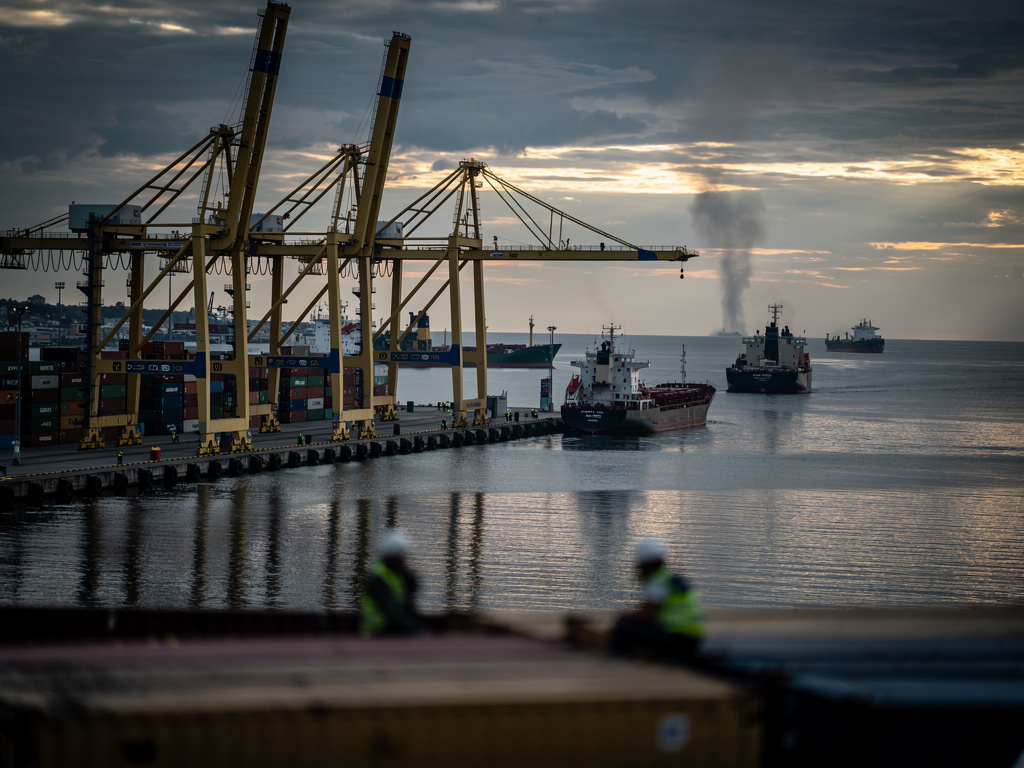
Missile Strike on Odesa Port Amid Russia-Ukraine War Talks
The Russia-Ukraine war intensified on 20 December 2025 as missiles struck port infrastructure in Odesa, killing eight people and injuring 27, according to officials and corroborated by France 24, underscoring the persistence of strikes against critical civilian facilities along Ukraine's southern coast. The attack hit port facilities within the Odesa region, which houses essential docks and terminals for maritime traffic, complicating humanitarian and commercial movements and highlighting the fragility of infrastructure that remains vital to Ukraine's economy and regional security. The strike occurred as Russian envoys prepared to travel to Miami to hold talks with U.S. negotiators aimed at ending the war in Ukraine.
Background & Context
- In the Russia Ukraine war, Odessa (Odesa) is a major Ukrainian port on the Black Sea and a key hub for grain exports and maritime traffic, making it a focal point in the broader conflict since 2022, with strikes on infrastructure and civilian targets reported.
- The city's exposure illustrates how warfare in the region can disrupt global grain flows and regional trade, creating ripple effects for food security and supply chains across Europe and beyond.
- Diplomatic efforts continue alongside fighting, as Russian envoys were set to travel to Miami to hold talks with US negotiators aimed at ending the war.
- The involved players include Russia, Ukraine, and the United States, with media outlets such as France 24 reporting on developments and official statements shaping the public narrative.
- Beyond a single strike, the episode fits into a broader pattern of Russian military activity and NATO tensions in the region, underscoring ongoing strategic contests and security concerns.
- Analysts have highlighted questions about nuclear deterrence and strategic posture in the broader conflict, though this article relies on verifiable events and avoids speculation about nuclear use.
- Public reaction data is not available in the provided sources, but observers note that the situation raises civilian risk and keeps international attention focused on humanitarian considerations and diplomatic responses.
Key Developments & Timeline
-
20 December 2025 — In the ongoing Russia Ukraine war, Russian missile strikes hit port infrastructure in the Odesa region of Ukraine. The assault left 8 killed and 27 wounded, underscoring the continued vulnerability of civilian infrastructure in southern Ukraine and the far-reaching implications for maritime logistics along the Black Sea. The targeted port facilities affect humanitarian relief efforts and the flow of commercial shipping, with potential knock-on effects on regional stability in the Odessan area and the broader Black Sea region. This incident is a stark reminder of the conflict’s impact on civilians and infrastructure, and it is frequently cited in coverage of the Russia Ukraine war as a point of concern for international observers monitoring security dynamics and risk in the region.
-
Circa 20 December 2025 — Russian envoys traveled to Miami to hold talks with United States negotiators aimed at ending the war, set against the context of ongoing diplomacy. This development illustrates persistent efforts to resolve hostilities through negotiation even as military actions continue in other theaters. The Miami discussions form part of a broader diplomatic thread addressing conflict termination, with analysts watching how these talks might influence future security arrangements, regional stability, and the broader geopolitical landscape—including tensions between Russia and NATO allies and the potential implications for arms diplomacy and regional security postures.
Official Statements & Analysis
In the Russia Ukraine war, officials note that "Eight killed in Russian strike on Odessa." The same brief adds that "as Russian envoys are set to travel to Miami to hold talks with US negotiators aimed at ending the war in Ukraine," highlighting a moment when lethal strikes on port infrastructure coincide with renewed high-stakes diplomacy, a dual track that can influence local security, port operations, humanitarian conditions, and the broader trajectory of international negotiation dynamics.
These statements matter because they foreground civilian harm and critical infrastructure damage in southern Ukraine, with port infrastructure in Odessa cited as a high-risk target and a clear signal to monitor credible advisories and maintain emergency readiness—calling for a robust communications plan, backup power, and stockpiled supplies to weather any interruptions. From the perspective of Russia military buildup and the Russia Ukraine war latest update, the juxtaposition of casualties and diplomatic engagement implies that disruptions to maritime trade and grain exports could persist, encouraging governments and markets to reassess shipping routes, insurance risk, and contingency planning in response to ongoing regional instability. This framing also underscores the role of credible, ongoing information channels for civilians and businesses navigating the risk of port disruptions and supply chain delays.
Conclusion
In the context of the Russia Ukraine war, the attack on Odesa that left Eight people were killed and 27 injured underscores how civilian harm and critical infrastructure damage can escalate regional insecurity and disrupt maritime activity along the Black Sea, with implications for civilians, responders, and port logistics alike. The immediate takeaway is that southern Ukraine and coastal areas remain high-risk during elevated threat periods, with potential disruptions to shipping and grain exports shaping local economies and humanitarian considerations, and this event highlights the need for resilience in local supply chains and international cooperation to mitigate ripple effects. To navigate this evolving situation, communities and operators should prioritize emergency readiness, maintain credible lines of communication, and monitor official advisories and military updates from credible sources, as disruption to port operations or regional stability remains possible. Looking ahead, the outlook points to sustained volatility in defense capabilities and geopolitical tensions, requiring ongoing vigilance and adaptable planning as the situation develops and international discussions shift, potentially affecting future operations and regional trade, while policymakers weigh security guarantees and humanitarian corridors as part of any future negotiations.
Self-Defense Tools – Protect yourself with compact, legal tools — shop smart defensive gear now.
LED Clip-On Safety Lights – Attach to bags, pets, or yourself — be seen during blackouts or movement.
Related: Russia Launches Iranian Satellite Amid Heightened Nuclear and Military Tensions
Related: Eastern Mediterranean Tensions Escalate Amid Turkish Drilling