
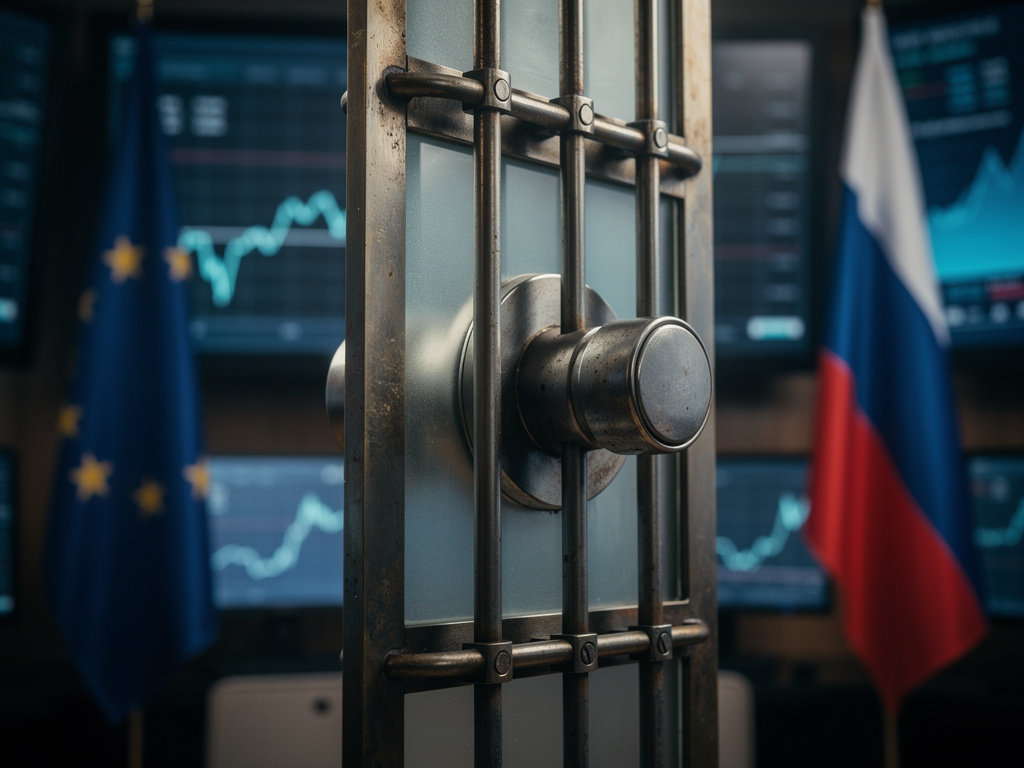
Putin Calls EU Robbers amid Frozen Assets and Nuclear Threat Fears
Russia's Vladimir Putin branded the European Union 'robbers' over plans to use frozen Russian assets to finance Ukraine's defense, arguing the move would undermine property rights and destabilize the global financial order. The remarks come as Brussels weighs legal and policy routes to asset utilization within ongoing sanctions regimes, a debate critics say could erode trust in international finance, complicate enforcement, and raise questions about sovereign rights in the context of the Russia-Ukraine war. Analysts caution that the dispute signals heightened Russia-EU tensions and potential strategic repercussions for Moscow and Brussels, even in the absence of immediate military action, as allies monitor defense aid implications, sanctions resonance, and possible retaliatory steps.
Background & Context
The Russia Ukraine war has upended European security and global finance, as a sweeping sanctions regime has frozen hundreds of billions of dollars in Russian assets across EU jurisdictions, pressuring Moscow while prompting scholarly and policy debates about the resilience of the rules-based order and the broader integrity of international financial cooperation. Since 2014, sanctions have evolved with limited high-level diplomatic progress, and officials weigh how asset freezes might support Ukraine's defense without violating international law or triggering unintended market consequences, all within the context of ongoing Russia NATO tensions and the need to maintain alliances and deterrence credibility. In late 2025, EU discussions circulated about using frozen assets to fund Ukraine's defense—a proposal that could test legal boundaries and market stability, while Putin denounced the idea as theft and warned it could undermine the global financial system, prompting legal analysts to anticipate court challenges and jurisdictional disputes. Observers emphasize that any pathway forward would require transparent governance, robust legal frameworks, proper oversight, and careful risk management to prevent misappropriation and ease investor concerns, as the issue sits at the intersection of sanctions policy, state sovereignty, and the broader geopolitical contest between Moscow and Brussels in an increasingly volatile global economy.
Key Developments & Timeline
- 2014–2025: Ongoing sanctions regime and freezing of Russian assets in EU jurisdictions. These measures represent a sustained economic response connected to the Russia Ukraine war and have significantly shaped European policy, financial markets, and international diplomacy. Regulators in Brussels and other EU capitals have maintained asset freezes, strengthened compliance, and kept pressure on Moscow, while Brussels, Kyiv, and Moscow monitor evolving responses. The long-running regime highlights the interplay between sanctions policy, property rights, and financial stability within the broader Russia geopolitical conflict and security environment in Europe.
- Late 2025: EU discussions or plans to potentially use frozen Russian assets to fund Ukraine's defense. This debate raises important questions about legal rights to seized property, asset-usage frameworks, and the potential impact on global financial stability and sanctions policy. Analysts and policymakers in Brussels, Kyiv, and Moscow weigh deterrence implications, the precedent for asset confiscation, and the broader consequences for Russia NATO tensions and regional security. If pursued, the move could recalibrate funding dynamics for Ukraine’s defense, alter market expectations, and test EU constitutional and legal norms regarding property rights.
- 19 December 2025: Putin labels the EU 'robbers' and warns such actions could undermine the financial world order. This explicit warning from Moscow signals a potential escalation in Russia-EU relations and invites responses from Brussels and Kyiv. The remark places the asset discussions at the center of the Russia geopolitical conflict, with global financial markets watching for volatility tied to sanctions policy and asset usage decisions. In the broader context of the Russia Ukraine war, the statement could influence future Russia-NATO tensions and shape diplomatic maneuvering among allied capitals in Europe and beyond.
Official Statements & Analysis
During remarks on 19 December 2025, Putin described EU officials as the 'robbers' and warned that using frozen assets to fund Ukraine's defense could 'undermine the foundations of the financial world order', a blunt statement that reframes the sanctions dispute within a broader fight over international financial governance amid the Russia-Ukraine war. The EU's reported consideration of leveraging frozen Russian assets to support Ukraine's defense signals a high-stakes confrontation over sanctions policy and asset seizure, intensifying legal and policy debates, with officials noting there has been no escalation in military actions and the current focus remains on economic tools.
Analysts say these statements matter because they set expectations for financial markets and diplomatic posture, highlighting how rhetoric can influence deterrence and policy in the sanctions environment. From a practical standpoint, the implications include financial preparedness—diversifying holdings, maintaining liquidity, and considering safe-haven assets to reduce sanctions risk; energy resilience measures to offset potential volatility; and ensuring documentation of assets to mitigate ownership confusion in contested jurisdictions. In the broader context of Russia-NATO tensions and military strategy, the exchange underscores that financial levers may become a central element of geopolitical risk management, even as no immediate action is reported and policymakers weigh legal limits, compliance challenges, and the ripple effects on the Russia-Ukraine war latest update.
Conclusion
The Russia Ukraine war continues to shape policy and markets as Moscow and Brussels debate the use of frozen assets to bolster Ukraine's defense capabilities, a move that could reverberate through the European financial framework and alter strategic calculations on both sides. Looking ahead, policy debates and potential legal challenges over asset use may unfold in stages, with scenarios ranging from partial approvals to new sanctions dynamics—while questions like 'what is Russia's nuclear doctrine' surface in discussions of deterrence and risk. Meanwhile, market participants may price in higher geopolitical risk, affecting liquidity, energy prices, and defense budgets, prompting individuals and institutions to focus on liquidity, diversified holdings, and reliable energy sources as a hedge, a consideration that informs consumer, corporate, and sovereign risk planning. In closing, the outlook favors nuanced, legally bounded moves rather than abrupt shifts, with ongoing monitoring of future operations and defense planning needed to gauge how geopolitical risk and market resilience evolve over the coming months.
Tactical Flashlights – Navigate safely in the dark — grab a reliable flashlight before you need it.
Collapsible Pet Bowls – Feed and hydrate pets easily on the move — shop collapsible bowls now.
Related: Israeli Airstrike in Gaza Kills 29 Amid Ongoing Crisis
Related: Israeli Naval Forces Intercept Global Sumud Flotilla Near Gaza