
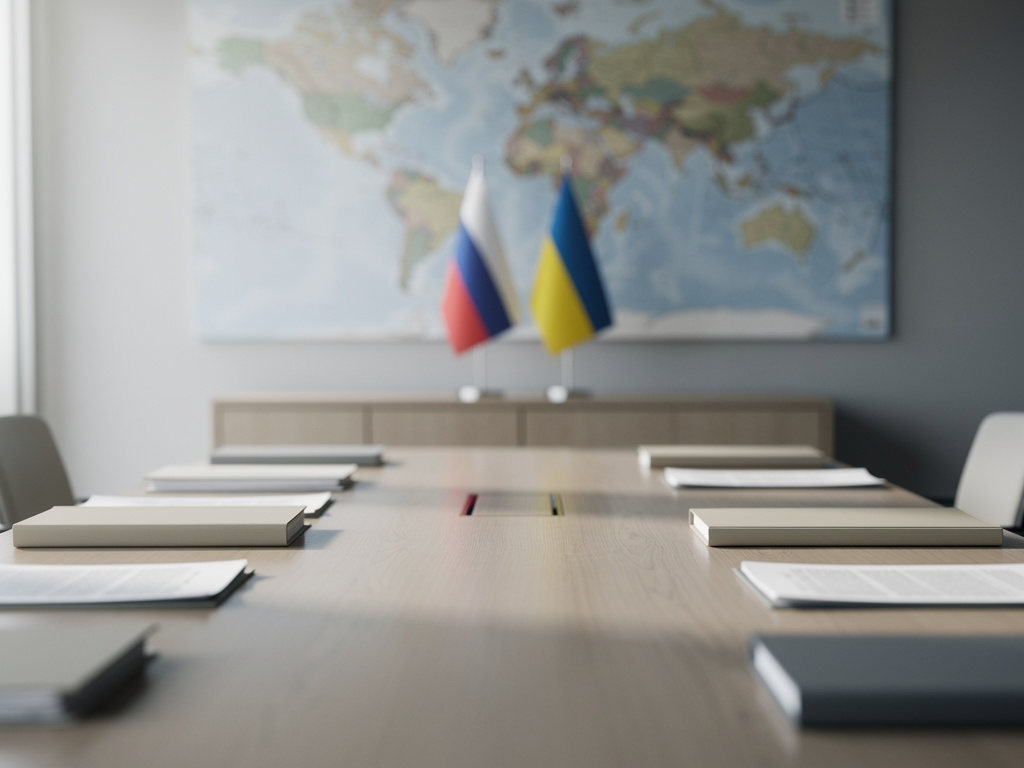
Russia Ukraine War Talks in Miami Push Peace Plan
In the Russia Ukraine War diplomacy in Miami, negotiators focused on a 20-point peace plan for Ukraine, with Kyiv pressing Moscow for greater leverage and warning that diplomatic gains must be tied to tangible concessions on Russian strikes and security guarantees. The talks, part of a U.S.-led diplomacy push, come as Russian strikes continue to target Ukrainian port infrastructure, including the critical Odesa harbor, with missiles causing civilian casualties and raising concerns about escalation. Moscow signaled willingness to sustain military pressure while Kyiv seeks concrete leverage, potential prisoner exchanges, and broader trilateral formats in future rounds, as Western allies track battlefield dynamics and sanctions politics.
Background & Context
The Russia Ukraine war sits within a broader, decades-long security dynamic that followed the dissolution of the Soviet Union, during which Moscow repeatedly argued that NATO's eastward expansion and Kyiv's pursuit of Western security arrangements threatened Russia's strategic buffer and regional influence, shaping security policy and rhetoric in Moscow for years, and influencing defense planning and diplomacy across the region. The trajectory of the conflict was significantly influenced by the 2014 annexation of Crimea and ensuing fighting in eastern Ukraine, events Russia framed as protecting ethnic Russians and border security, while Kyiv and its Western partners viewed them as violations of sovereignty and international law, shaping international responses and risk calculations among key state and alliance actors. In the years since, a persistent Russian military buildup near Ukraine's borders—visible in large-scale exercises, deployments, and the use of air, missile, and ground capabilities—has sustained the conflict and drawn NATO and partner countries into a tense security dialogue marked by sanctions, diplomatic efforts, export controls, and ongoing battlefield updates, with humanitarian concerns mounting as civilians bear the consequences. Against this backdrop, analysts and policymakers scrutinize Russia's nuclear weapons capabilities and deterrence posture, asking questions about Russia's nuclear doctrine and modernization, and considering how these factors influence Russia NATO tensions, arms control dialogues, and the risk of escalation in a volatile geopolitical climate, including discussions on what is at stake for regional and global security and the dynamics of strategic stability.
Key Developments & Timeline
Overview: The key developments section aims to present milestones in chronological order related to the Russia Ukraine war and associated Russia military activity. However, the provided event_timeline data for this article contain placeholders rather than explicit dated events. Consequently, this section cannot present a traditional, date-stamped sequence of events. Instead, it outlines the scope of the data and explains how readers might interpret future updates once dates become available. The broader context includes ongoing Russian military buildup, regional escalations, and strategic considerations tied to nuclear deterrence and the evolving posture of Russia's strategic forces. The dataset's emphasis on threat dynamics, regional impact, and named locations provides a framework for discussing potential milestones when dates are supplied. While dates are not present, readers should be aware of common milestone types in such timelines: threat level revisions, major air or missile activity, redeployments, or shifts in alliance posture. This framing helps connect the topics of the Russia Ukraine war, Russia military activities, and the broader Russia geopolitical conflict that continues to shape security expectations in Europe. For those seeking a Russia Ukraine war latest update, this section reinforces how a fully dated timeline would compile events across fronts, from air operations to changes in regional alignments with Belarus or NATO allies. The first-order keywords focus on Russia Ukraine war and Russia military, while secondary terms such as nuclear deterrence, regional alliances, and related topics help situate the discussion within current security discourse. While the present dataset lacks dated entries, the outline remains useful for framing future milestones and for supporting readers who explore questions like what is Russia's nuclear doctrine and how regional factors might influence a timeline.
- Date: Not specified | Description: No dated milestones were provided in the event_timeline data. This placeholder item indicates that a traditional, date-stamped timeline cannot be compiled from the current dataset. The entry highlights the topical focus on Russia military and Russia Ukraine war, and signals where future updates could record milestones such as Russia nuclear deterrence developments, regional deployments, or allied responses.
Official Statements & Analysis
In the Miami talks, officials described negotiations between Russian and US envoys as part of a broader diplomacy effort to advance a 20-point peace plan for the Russia Ukraine war, with Kyiv seeking greater leverage on Moscow even as Moscow signals willingness to maintain pressure, a dynamic that underscores how diplomatic channels are being used to shape battlefield incentives, prisoner exchanges, and sanctions posture in real time. The discussions, which follow Istanbul's round that yielded prisoner swaps but limited strategic progress, also explored trilateral formats and potential prisoner exchanges amid ongoing Russian airstrikes and missile attacks on Ukrainian port infrastructure, signaling that diplomatic dialogue remains deeply intertwined with daily security concerns, civilian harm, and the broader Western sanctions regime.
The statements matter because they reveal a negotiation posture in which Kyiv presses for leverage and Western backers seek calibrated steps that could alter Moscow's calculations on escalation, while Moscow maintains that continued pressure is essential to extract concessions and to test Western resolve amid a shifting security landscape. Analysts should watch how the format evolves—from bilateral to trilateral discussions and from exchanges to any substantive concessions—as even modest shifts could influence future military strategy, deterrence dynamics, and regional security, ultimately affecting public perception, alliance cohesion, and the long arc of the Russia Ukraine war.
Conclusion
In the ongoing Russia Ukraine war, the Miami talks centered on a 20-point peace plan for Ukraine, with Kyiv pressing for greater leverage over Moscow while Moscow signals willingness to sustain military pressure; the discussions reflect a broader US-led diplomacy effort as Russia continues strikes on port infrastructure and civilians in Odesa.
Past Istanbul yielded prisoner swaps but limited strategic progress, and the Miami discussions touch on trilateral formats and possible exchanges, all occurring while Russian airstrikes and missile activity persist and sanctions dynamics shape incentives; observers note that any progress would depend on credible enforcement mechanisms and regional actors' buy-in.
Looking ahead, the outlook hinges on securing tangible leverage for Kyiv, sustaining international engagement, balancing deterrence with negotiation, and considering future operations, confidence-building steps, humanitarian corridors, and civilian protection alongside strategic stability.
As noted in the Russia Ukraine war latest update, a practical path may emerge through incremental exchanges, robust verification, and a clear framework for defense capabilities and security architecture that can influence future operations without escalating tensions.
Stress Balls / Therapy Tools – Small, silent, and soothing — reduce tension without meds or noise.
Document Holders – Keep legal docs, IDs, and maps safe from fire and water.
Related: Russia Maintains Neutral Stance in Escalating Israel-Iran Conflict
Related: Russian Advances in Pokrovsk Amid Escalating Drone Strikes and NATO Responses