
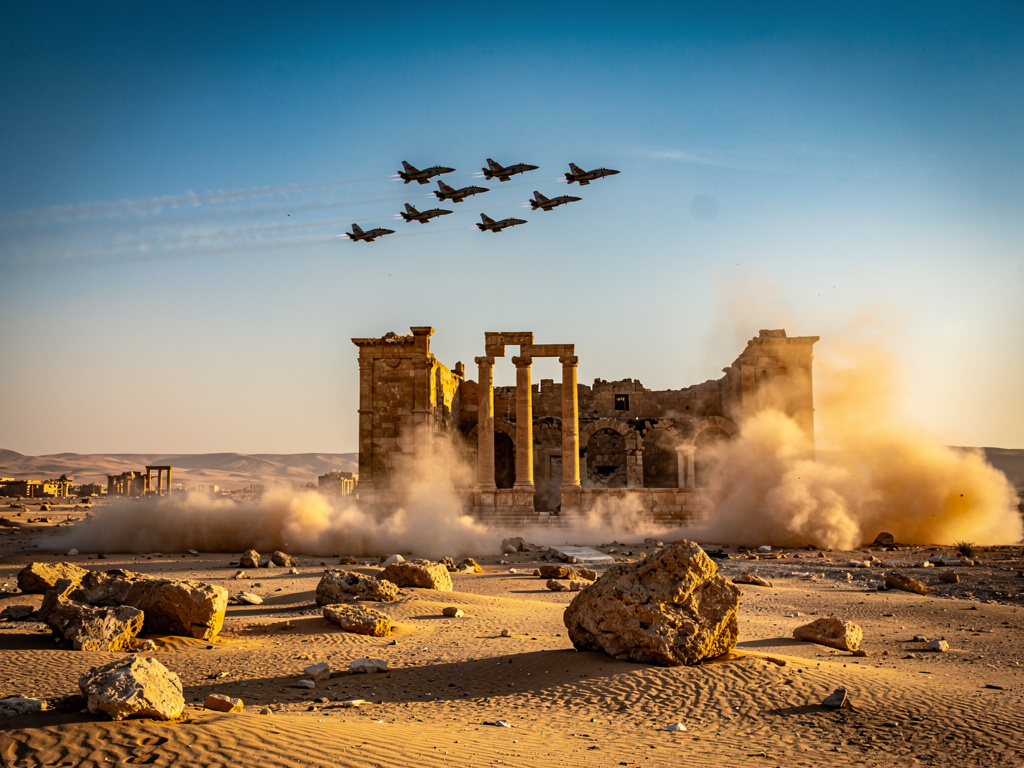
Operation Hawkeye Strike: US hits ISIS targets in Syria
ISIS targets tied to ISIL in Palmyra prompted a broad U.S. air campaign across central Syria, code-named Operation Hawkeye Strike, described by officials as retaliation for the Palmyra attacks that killed three Americans and aimed at degrading ISIL capabilities. The strikes involved dozens of air missions, with Jordanian Armed Forces providing support and about 1,000 U.S. troops continuing the broader counterterrorism effort as Damascus welcomed international support; no immediate casualty figures were released. The move comes as Syria’s government reiterates its commitment to fighting ISIS and invites international cooperation amid a fragile, ongoing campaign in the region.
Background & Context
In the Syria news landscape, the United States has maintained a long-running campaign against ISIS remnants, with roughly 1,000 U.S. troops in the country alongside a broader coalition conducting air strikes and ground operations, a footprint that has persisted through successive administrations and aimed to dismantle ISIS networks, training camps, and supply lines across desert and urban terrain. The campaign sits within a longer arc of regime change that has included the overthrow of Bashar al-Assad, the displacement and reorganization of authorities, and the formation of a new interim government, shaping the political calculus for regional actors and international partners in counterterrorism operations. By late 2025, the Assad-aligned government publicly signaled cooperation with US-led efforts against ISIS, with reports of a cooperation agreement following talks between President Ahmed al-Sharaa and President Donald Trump, reflecting a shift toward formalized coordination and joint planning that includes intelligence sharing and targeted strikes against ISIS cells, even as the broader political relationship remains complex and sensitive. The Palmyra incident, in which three Americans were killed, elevated calls for retaliation and highlighted the ongoing security threat posed by ISIS in central Syria, while the international coalition has intermittently worked with elements of Syria’s security services to pursue ISIS targets, manage stabilization tasks, and prevent a resurgence of militant activity in central provinces, a dynamic that underscores the fragile balance between security objectives and sovereignty considerations in a volatile theater.
Key Developments & Timeline
-
Last month, Syria-US relations moved into a new phase as reports in syria news outlets described a cooperation agreement between Syria and the United States, following talks between Ahmed al-Sharaa and President Donald Trump. The pact was framed as laying groundwork for increased coordination in the fight against ISIS remnants and broader regional security dynamics, signaling a potential shift toward more collaborative action on the ground.
-
Over the weekend prior to the new operational phase, an ISIS attack in the Palmyra region killed three Americans and injured several others. ISIS was blamed for the assault, which intensified concerns about the security situation in central Syria and reinforced the narrative that continued counterterrorism efforts were essential to protect personnel and local communities.
-
In the wake of the Palmyra incident, U.S. air strikes across central Syria were launched under the operation Hawkeye Strike. Officials indicated the mission targeted ISIS fighters, infrastructure, and weapons sites in the Palmyra corridor and surrounding central Syria, with officials describing the strikes as retaliation for the Palmyra killings. Specific casualty numbers from the strikes were not immediately released.
-
During the operation, Jordanian Armed Forces reportedly provided support with fighter aircraft, underscoring regional involvement in the campaign against ISIS. Concurrently, Syria’s government reiterated its commitment to fighting ISIS and publicly invited international coalition partners to bolster operations on the ground, signaling an openness to expanded military and strategic cooperation beyond the immediate Hawkeye Strike effort.
-
Officials noted the scale and scope of the ongoing deployment, with estimates placing US troops in Syria at around 1,000 as part of the broader campaign against ISIS remnants in central Syria. While the operational focus remained on targeting fighters, infrastructure, and weapons sites, casualty tallies from the strikes were not immediately released, reflecting the sensitive and evolving nature of the campaign.
Official Statements & Analysis
“This is not the beginning of a war — it is a declaration of vengeance.” “Because of ISIS’s vicious killing of brave American Patriots in Syria… I am hereby announcing that the United States is inflicting very serious retaliation, just as I promised, on the murderous terrorists responsible.” U.S. officials described the operation Hawkeye Strike as large-scale retaliation across central Syria, involving dozens of strikes, and framed it as a targeted step in a broader military strategy to degrade ISIS capabilities and deter future attacks, while signaling a hard-edged posture intended to deter ISIS while managing regional tensions, and shaping expectations ahead of any broader coalition decisions.
The Syrian Arab Republic reiterates its steadfast commitment to fighting ISIS and ensuring that it has no safe havens on Syrian territory, and will continue to intensify military operations against it wherever it poses a threat. In Syria news and regional security dynamics, this statement, together with the broader risk indicators—approximately 1,000 US troops in Syria, dozens of strikes under Hawkeye Strike, and reported Jordanian support—points to rising security risks near Palmyra, potential disruption to humanitarian corridors, and wider effects on cross-border trade and emergency preparedness, and influencing civilian aid planning and border security measures.
Conclusion
In Syria, ongoing Syria news coverage of the Hawkeye Strike underscores a sustained effort against ISIS targets and highlights the delicate balance between multinational operations and Damascus’s cooperation, as regional security dynamics remain fragile in the wake of Palmyra-related attacks. The action demonstrates that counter-ISIS operations remain central to U.S. strategy, with coalition support and more than 1,000 American troops in Syria continuing to deter remnants while shaping the diplomatic and military footprint in the Syria news narrative. Despite the lack of immediate casualty data, the reporting suggests a persistent threat and a need for cautious escalation management, reinforcing that future responses will depend on ongoing security assessments, regional diplomacy with Damascus, and the broader political trajectory in Syria. Looking ahead, sustained vigilance, humanitarian access considerations, civilian protection, and regional stability will define the outlook for the U.S.-led campaign, with ongoing diplomatic efforts and post-conflict planning shaping long-term outcomes within the Syria news landscape.
Waterproof Dry Bags – Protect your essentials from rain and floods — pack a dry bag that’s built to last.
Tourniquets – Stop bleeding fast — include a tourniquet in every emergency setup.
Related: Putin’s Easter Ceasefire Fails as Fighting Continues in Ukraine
Related: North Korea’s Irreversible Nuclear Status: Implications Amidst WW3 Concerns